

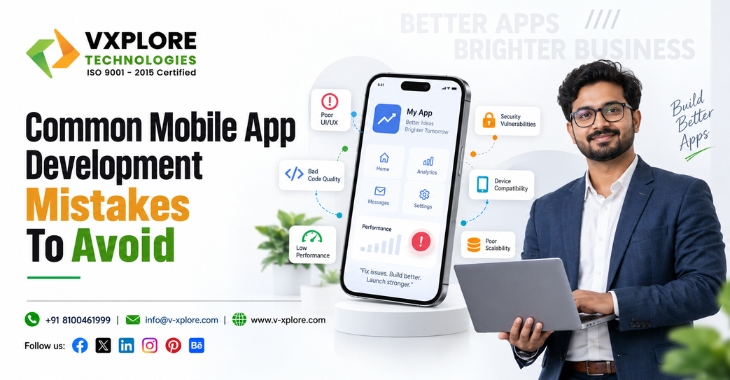
Building a mobile app can be an exciting opportunity for a business, but turning an idea into a successful application requires much more than writing code. Poor planning, unclear requirements, and overlooking the user experience can create problems that affect the app’s performance and long-term growth.
Businesses looking for a Mobile App Development Company In India should understand the common mistakes that can occur during the development process. Avoiding these issues early can save time, reduce unnecessary costs, and help create a better experience for users.
Starting Development Without Clear Goals
One of the biggest mistakes is beginning development before clearly defining the purpose of the application. Every app should solve a specific problem or provide meaningful value to its users. Without clear goals, teams may add unnecessary features or change direction repeatedly during development. Before development begins, businesses should identify the target audience, main purpose, essential features, and desired outcomes of the application.
Trying to Include Too Many Features
Many businesses want to include every possible feature in the first version of their app. While advanced features may sound appealing, adding too much can increase development time and make the application more difficult to use. A better approach is to focus on the most important features first. Additional functionality can be introduced later based on user feedback and business requirements.
Focus on the Minimum Viable Product
An MVP allows businesses to launch with core functionality and test how users respond. This approach can help identify what users actually need instead of spending resources on features that may not provide real value.
Ignoring the User Experience
A technically functional app can still struggle if users find it difficult to navigate. Complex menus, unclear buttons, slow processes, and inconsistent design can lead to frustration. The user experience should be considered from the earliest stages of planning. Simple navigation and clear workflows can make a significant difference in how users interact with the application.
Choosing Technology Without Proper Planning
The technology used to build an app should support its current requirements and future growth. Choosing a platform or development approach simply because it is popular may not always be the right decision. Businesses should consider factors such as performance, scalability, security, integrations, maintenance, and the intended audience before making technology decisions.
Not Planning for Different Devices
Mobile users access applications through devices with different screen sizes, operating systems, and hardware capabilities. An app that works perfectly on one device may have usability or performance issues on another. Proper testing across relevant devices and operating system versions is important before launch.
Overlooking App Performance
Users expect mobile applications to load quickly and respond smoothly. Slow loading screens, crashes, and unresponsive features can negatively affect the user experience. Performance should be monitored throughout development rather than addressed only after the app is released.
Ignoring Mobile App Security
Security should not be treated as something that can be added at the end of development. Applications that handle user information, payments, or other sensitive data need appropriate security measures from the beginning. A professional Mobile App Development Company can help businesses consider secure development practices, authentication requirements, data protection, and potential risks during the development process.
Skipping Proper Testing
Launching an application without thorough testing is a common and costly mistake. Testing should cover functionality, usability, performance, compatibility, and security where relevant. Real-world testing can also reveal issues that may not appear during internal development.
Test Before and After Launch
Testing should continue after the application is released. User feedback and real usage can reveal opportunities for improvements, bug fixes, and future updates.
Failing to Consider Future Scalability
An application may perform well with a small number of users but face challenges as the audience grows. Planning for scalability helps businesses prepare for increasing traffic, data, users, and feature requirements. Scalable architecture can make future improvements easier and reduce the risk of major redevelopment later.
Not Defining a Budget and Development Timeline
Unclear budgets and unrealistic deadlines can create pressure throughout the development process. Businesses should understand that development costs can vary depending on the features, complexity, platform, integrations, and maintenance requirements. A realistic plan allows the development team to prioritize features and manage expectations.
Ignoring User Feedback
Users can provide valuable information about what works and what doesn’t. Ignoring feedback after launch can prevent a business from identifying important improvements. Collecting and reviewing feedback can help guide future updates and make the application more useful over time.
Choosing a Development Partner Based Only on Cost
Price is an important consideration, but choosing the lowest-cost option without evaluating experience and technical capabilities can create problems. A business should consider the development team’s portfolio, communication process, technical knowledge, testing approach, and ability to provide ongoing support. When comparing an App Development Company India, it is important to look beyond the initial quote and understand the overall value provided.
Forgetting About App Maintenance
Launching an app is not the end of the development process. Applications require updates, bug fixes, security improvements, and compatibility adjustments as devices and operating systems change. A maintenance strategy should be considered before launch so the application can continue providing a reliable user experience.
Poor Communication During Development
Mobile app development often involves business owners, designers, developers, and other stakeholders. Without clear communication, misunderstandings can lead to delays and unnecessary changes. Regular updates, documented requirements, and structured feedback can help keep everyone aligned throughout the project.
Why Choose Vxplore Technologies for Mobile App Development?
Vxplore Technologies helps businesses approach mobile app development with proper planning, user-focused design, and attention to long-term requirements. A structured development process can help reduce common mistakes while keeping the project aligned with business objectives.
For businesses in West Bengal, India, choosing an experienced development partner can provide valuable support from initial planning through development and future updates.
Frequently Asked Questions
Starting development without clearly defining the app’s purpose, target users, and essential features can lead to unnecessary changes and development challenges.
Not necessarily. Focusing on the most important features first can make development more manageable and allow future updates based on user feedback.
A simple and intuitive user experience can help users navigate the application more easily and reduce frustration.
Testing is essential for identifying issues related to functionality, performance, usability, compatibility, and security.
Yes. Mobile apps may require regular updates, bug fixes, security improvements, and compatibility changes after launch.
Consider the company’s experience, portfolio, communication process, technical expertise, testing approach, and long-term support capabilities.
Scalability helps prepare an application for future growth in users, data, traffic, and functionality.
Yes. User feedback can identify usability problems, technical issues, and opportunities for future improvements.
Security is important for protecting user data and reducing risks, particularly for apps that handle sensitive information or payments.
Vxplore Technologies can help businesses plan and develop mobile applications based on their requirements, user needs, and long-term growth objectives.
Final Thoughts
Mobile app development involves many decisions, and small mistakes during the early stages can create larger challenges later. Clear planning, focused features, strong user experience, appropriate technology, testing, security, and ongoing maintenance are all important parts of building a successful application.
Businesses should take time to define their requirements and work with professionals who understand both the technical and business side of app development. If you are looking for a reliable Mobile App Development Company In India, choosing a development team with a structured approach can help you avoid common mistakes and build a stronger foundation for your application.